Pharmacy and Medical Labels – Pharmaceutical Label Solutions
The packaging for every pharmaceutical raw material, including finished medicines (drugs), must feature an appropriate label. The material it is made from and the information it contains are of great importance. So, what must a pharmaceutical label contain, and what characteristics should it have?
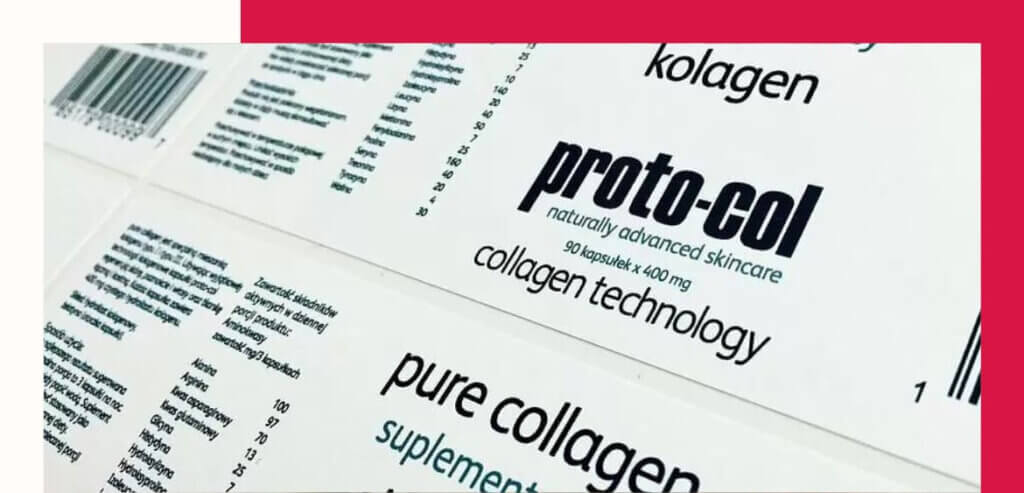
Basic Elements of a Pharmaceutical Product Label (Regulatory Compliance)
The most essential requirement of your label is that it ensures the health and safety of customers or professionals. A pharmaceutical label should include all the required elements specified by legal regulations. This refers to labels placed on medicines, pharmaceutical raw materials, and sanitary articles alike. They should consist of, among other things:
- The name of the preparation and the manufacturer.
- The quantity of the preparation contained in the packaging.
- The composition, including the amount of each active ingredient.
- The method of use for the medicine.
- The concentration of the medicine, if it is manufactured in different concentrations.
- The expiry date.
- The batch number, and in some cases, the authorisation number.
For ready-made, over-the-counter medicines, therapeutic indications may also be placed on the labels. In the case of compounded medicines (prepared in a pharmacy), the label must include:
- The name of the pharmacy along with its full address.
- The patient’s name and the prescriber (the person issuing the prescription).
- The composition of the compounded medicine.
- The form of use and the method of dosage.
- Information regarding storage conditions.
- The date of preparation and the expiry date of the medicine.
- The control number of the compounded medicine.
- The signature of the person who prepared the medicine.
The Pharmaceutical Label and Its Properties
Pharmaceuticals are subject to strict controls, and therefore, the product labels used for them must comply with current regulations.
They should be permanently affixed to the outer side of the packaging. Crucially, they must also be legible and designed to prevent counterfeiting of the medicine—in this case, tamper-evident labels are used that are destroyed if tampering is attempted.
Some labels must be adapted for Braille marking. They also need to be adaptable to packaging of various sizes, shapes, and textures—ranging from classic syrup bottles to small vials and test tubes. Furthermore, for syrups or oils, the label or packaging must not expose the patient to any substances used in their production. Pharmaceutical labels often serve both informational and aesthetic functions.
Label Resistance to External Factors
The material from which a pharmaceutical label is made is highly significant. Because medicines or containers with biological material are stored under various conditions, the label must be resistant to many external factors—for example, low temperatures or moisture. Therefore, labels are produced from materials that can be stored in hospitals and research centres, as well as in cold rooms and laboratories.
They are often made using thermal transfer ribbons—resin, wax, or wax-resin types. These can be adapted to many different conditions and packaging types. In some cases, however, self-adhesive labels which can be deep-frozen at very low temperatures are a better choice.
Pharmaceutical labels should also be resistant to contact with oily substances, sterilisation in autoclaves, and mechanical factors—such as damage during transport.
At POLINAL®, we most often supply pharmaceutical labels as self-adhesive rolls.